Bee Outline: A Designer’s Review for Real Projects
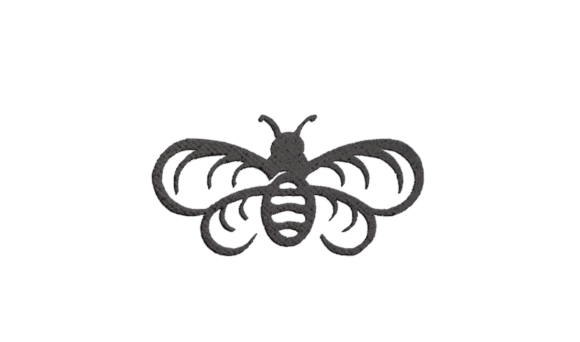
When I first pulled up the Bee Outline file on my screen, I wasn’t looking for complexity. I was looking for clarity. In the world of machine embroidery, especially when dealing with small motifs like those in the Bugs category, simplicity is often the hardest thing to execute well. This design promises a fusion of art and craft through a clean silhouette, but does it hold up under the needle? As someone who has stitched thousands of designs for clients ranging from boutique apparel brands to local craft fair vendors, I evaluate every new asset based on one criterion: how will it look once it is actually stitched out?
First Impressions and Visual Personality
The immediate appeal of Bee Outline lies in its restraint. It avoids the clutter that plagues so many digital embroidery files. The shape is recognizable instantly, which is crucial for quick-read graphics on items like tote bags or caps where the viewer might only glance at the product for a second. The mood is charming yet modern, striking a balance that feels appropriate for both nursery decor and adult casual wear.
For an embroidery designer, the layout suggests versatility. It doesn’t scream "childish," nor does it feel overly industrial. This visual personality makes it a strong candidate for a wide range of handmade products. Whether you are an Etsy seller looking to refresh your spring collection or a hobbyist making personalized gifts, the design’s neutral charm allows it to adapt to various thread colors and fabric textures without losing its identity.
Real-World Application: The Tote Bag Test
To truly understand the value of this design, I mentally placed it into a current project: a set of custom canvas tote bags for a local farmer’s market vendor. The client wanted something eye-catching but not overwhelming. Here, Bee Outline shines. On a sturdy cotton canvas, the silhouette provides a crisp focal point.
If I were stitching this for a sweatshirt embroidery project, I would likely scale it up slightly to ensure the lines remain distinct against the fuzzy texture of fleece or French terry. For baby embroidery, such as a onesie or burp cloth, the smaller scale works beautifully, provided the stitch density is adjusted to keep the fabric soft. The design transforms mundane items like towels, shirts, or blankets into unique pieces because it relies on form rather than excessive detail.
Versatility Across Product Lines
This embroidery design is not limited to just one type of garment. Its adaptability makes it a valuable asset for any craft business. Consider these applications:
- Custom Apparel: Perfect for left-chest logos on t-shirts or larger back prints on hoodies.
- Home Decor: Adds a whimsical touch to pillow covers and kitchen tea towels.
- Accessories: Works well as an embroidered patch on denim jackets or canvas caps.
- Seasonal Items: Ideal for holiday embroidery projects, particularly spring and summer-themed goods.
For small shop owners, having a design that performs consistently across different materials reduces waste and increases confidence in your finished product. When a customer sees a clean, professional stitch-out on a cap, it builds trust in your brand consistency.
Technical Considerations and Stitching Reality
While the aesthetic is strong, we must discuss the technical execution. An outline design relies heavily on the precision of the running stitch or a narrow satin stitch, depending on how the file is constructed. Since the description emphasizes a silhouette, I anticipate a mix of fill stitch for the body and potentially satin or running stitches for the edges.
One critical factor is stitch density. If the design is too dense, it can cause puckering, especially on thin fabrics like silk or lightweight cotton. Conversely, if it is too sparse, the fabric underneath might show through, breaking the illusion of a solid silhouette. Before committing to a large batch of commercial embroidery, always test the design on scrap fabric similar to your final material.
Navigating Fabric Challenges
Not all fabrics behave the same way. Here is where practical judgment comes into play:
- Textured Fabrics: On towels or fleece, ensure the contrast between the thread colors and the fabric is high enough. A yellow bee on a white towel might get lost; try gold or orange for better visibility.
- Stretchy Materials: When applying this to knitwear, a proper stabilizer is non-negotiable. Without it, the outline may distort after washing.
- Dark Fabrics: If stitching on black or navy, consider using a lighter underlay or testing if the design requires a backing stitch to prevent the dark fabric from peeking through the lighter threads.
Also, be cautious with curved surfaces like caps. The hoop size must accommodate the curve without distorting the bee’s shape. A distorted silhouette looks unprofessional and can hurt buyer engagement.
Enhancing Value and Brand Perception
Why choose Bee Outline over a more complex image? Because clarity sells. In the crowded marketplace of digital product sellers and handmade shop owners, clean designs stand out. They photograph well for printable mockups and social media previews. A cluttered design often looks messy in thumbnail images, but a strong silhouette remains legible even at small sizes.
This clarity enhances the perceived value of your handmade product. Customers associate clean stitching with professionalism. When you use a design that stitches out cleanly, you reduce the risk of returns due to poor quality. It signals that you care about the details, which fosters customer trust and repeat business.
Practical Designer Notes
Before you load this digital embroidery file into your machine, take these steps to ensure success:
- Check File Formats: Ensure the download includes the format compatible with your specific machine. The prompt does not list exact formats, so verify this before purchase.
- Review Licensing: Confirm whether the license allows for commercial use if you plan to sell finished items. This is vital for Etsy sellers and boutique branding.
- Test Thread Colors: Don’t stick to traditional yellow and black. Try monochrome styles for a modern look, or pastels for baby items.
- Inspect Small Details: Zoom in on the preview. Are there tiny jumps or unnecessary trims that could slow down production?
- Mockup Testing: Create black and white mockups to see how the shape holds up without color reliance.
In conclusion, Bee Outline is a solid addition to any designer’s library. It respects the limitations of embroidery while maximizing visual impact. It is not just a bug; it is a versatile design asset that, when used with proper technique and thoughtful fabric selection, can elevate your craft business and delight your customers. Whether for a simple personalized gift or a line of boutique merchandise, this design earns its place in the hoop.