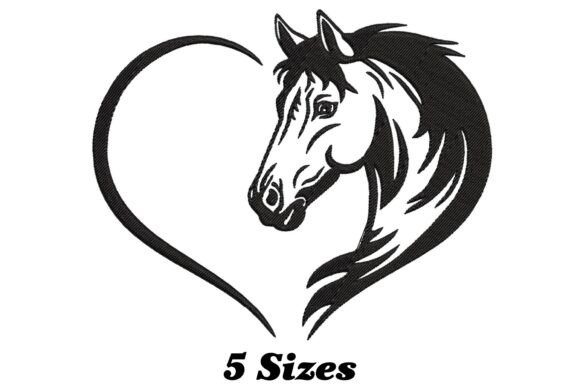
Heart and Horse Face: A Designer’s Practical Review
As an embroidery designer who has spent years digitizing files and testing them on everything from stiff denim to delicate baby knits, I approach every new machine embroidery design with a critical eye. It is not just about whether the image looks cute on a screen; it is about how those stitches will behave under the needle, how they wear after washing, and whether they add genuine value to a finished product. Recently, I took a close look at the Heart and Horse Face design, evaluating it not as a static image, but as a functional asset for real-world craft business applications.
First Impressions and Visual Personality
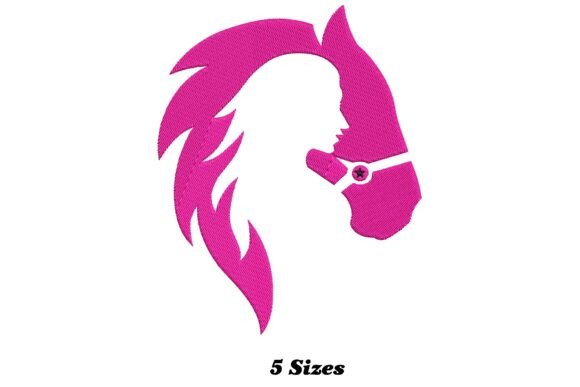
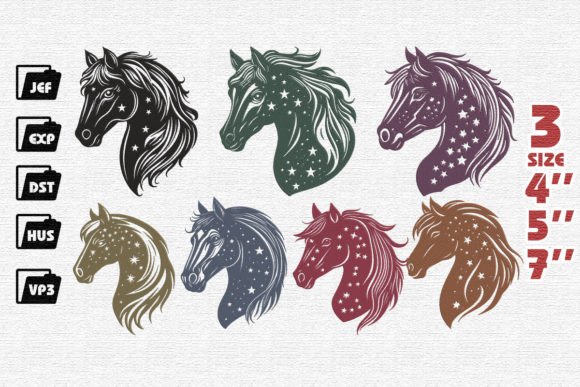
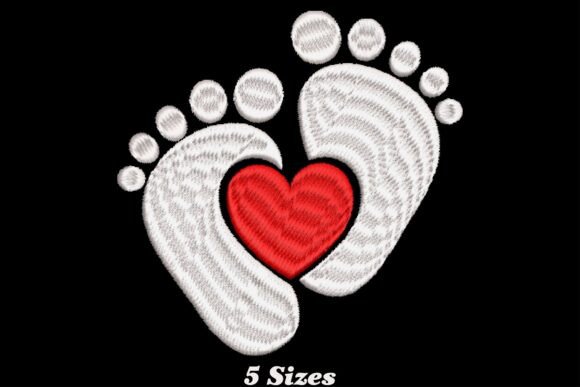
The first thing that strikes you about Heart and Horse Face is its balanced whimsy. In the world of Horses themed Embroidery, designs often lean too heavily into realistic detail, which can cause stitching issues, or they become overly abstract, losing their charm. This design finds a sweet spot. The integration of the heart motif with the horse’s facial features creates a cohesive shape that feels intentional rather than cluttered. The layout suggests a friendly, approachable mood, making it an ideal candidate for personalized gifts and boutique merchandise where emotional connection drives sales.
From a technical standpoint, the visual personality of this file suggests a moderate level of complexity. It does not appear to rely on excessively dense fill stitch areas that might pucker lightweight fabrics, nor does it seem to depend on fragile, long running stitch outlines that could snag easily. This balance is crucial for designers who need versatility across different product lines.
Real-World Application: The Custom Tote Bag Test
To truly understand the utility of an embroidery file, I mentally placed it into a current client project: a set of custom canvas tote bags for a local equestrian club. Canvas is a forgiving fabric, but it has a distinct texture that can swallow up fine details. When visualizing Heart and Horse Face on this material, the bold lines of the horse’s face and the clear definition of the heart hold up well. The design does not get lost in the weave of the fabric, which is a common pitfall for intricate equestrian logos.
Beyond totes, this design shines in custom apparel. Imagine it stitched on the left chest of a high-quality cotton sweatshirt. The scale seems appropriate for this placement, offering a subtle yet recognizable brand element or personal touch. For Etsy sellers and small shop owners, this versatility is key. A single design that works on both home decor and wearable items reduces the overhead of creating multiple specialized assets.
Considerations for Tricky Fabrics and Hoops
While the design is robust, practical experience dictates caution in specific scenarios. If you are planning to use Heart and Horse Face on stretchy fabrics like jersey knits for t-shirts, proper stabilization is non-negotiable. Without a cut-away stabilizer, the tension from the stitches could distort the horse’s features, turning a charming face into a warped shape. Similarly, on dark fabrics, you must carefully select your thread colors to ensure sufficient contrast. A dark brown thread on a navy shirt might look sophisticated in a mockup but disappear in person.
Curved surfaces present another challenge. If you intend to use this as an embroidered patch or directly on a cap, consider the hoop size. Caps require specialized hoops and often benefit from designs that are not too wide. You should verify the dimensions of the file against your specific cap hoop capabilities. If the design is too wide, the curvature of the cap will distort the perspective of the horse’s face, making it look uneven.
Enhancing Product Value and Brand Consistency
For creative entrepreneurs, the aesthetic quality of a design directly impacts perceived value. Heart and Horse Face offers a polished look that elevates a simple handmade product into something that feels professional. When customers see clean stitch lines and a well-proportioned motif, their trust in the maker increases. This is particularly important for holiday embroidery projects or wedding gifts, where the expectation for perfection is higher.
Using this design consistently across your product line can help build brand recognition. Whether it is on a kitchen towel, a pillow cover, or a baby onesie, the consistent use of this specific horse motif can become a signature element of your shop. For digital product sellers, providing high-quality printable mockups featuring this design can significantly boost conversion rates by helping buyers visualize the final result.
Technical Checks Before You Stitch
Before committing to a full production run or selling a finished product, there are several practical steps every designer should take. First, always test the design on scrap fabric that matches your final material. This allows you to check the stitch density and ensure there are no thread breaks or nesting issues. Pay close attention to the small details within the horse’s face; if they are too small, they may not stitch out cleanly on lower-end machines.
It is also wise to view the design in black and white. This removes the distraction of color and lets you focus on the structural integrity of the digitizing. Are the transitions between the heart and the horse smooth? Is there adequate spacing between elements to prevent thread buildup? These are the questions that separate amateur results from professional commercial embroidery.
Finally, always confirm the licensing terms. While many files allow for personal use, selling items made with a specific digital embroidery file often requires a commercial license. Ensure you have the right to use Heart and Horse Face in your craft business to avoid legal complications down the road. Check if the file includes various formats compatible with your machine, as compatibility can vary widely between brands.
Final Verdict for Makers and Sellers
The Heart and Horse Face design is a strong contender for designers looking to add a touch of warmth and character to their portfolio. It bridges the gap between decorative flair and technical reliability. By understanding its strengths in medium-weight fabrics and being mindful of its limitations on stretchy or curved surfaces, you can leverage this asset to create stunning baby embroidery items, durable tote bag designs, and elegant home decor. It is a reminder that good design is not just about what you see, but about how it performs in the hands of the maker and the life of the user.