Reviewing Koala Appliqué for Craft Fair Success
As an embroidery designer who has spent countless weekends behind a booth table, I know that not every design translates into a bestseller. Some designs look great on a screen but fail to capture attention in person. Today, I am reviewing the Koala Appliqué, a digital embroidery file that promises to bring a touch of cuteness to your projects. My goal is to evaluate this design not just as art, but as a viable craft fair product and a reliable asset for your handmade business.
First Impressions and Market Appeal
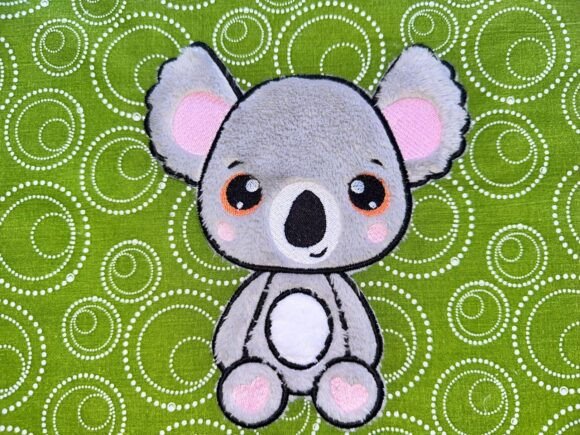
The first thing you notice about the Koala Appliqué is its inherent charm. It falls squarely into the Baby Animals category, which is a perennial favorite in the handmade market. The design feels soft, approachable, and undeniably cute. For a craft fair seller, this is crucial. Shoppers walking past your booth need to understand what they are looking at within seconds. A koala is universally recognized and loved, making this design an instant conversation starter.
Unlike complex, dense patterns that require close inspection, this appliqué style relies on bold shapes and clean lines. This makes it highly effective for quick visual processing. It does not try to be overly intricate or realistic; instead, it opts for a stylized, sweet aesthetic that appeals to parents, grandparents, and anyone looking for a gentle, heartwarming gift. In a sea of busy booth displays, this simplicity can be your strongest asset.
Product Versatility for the Handmade Shop
When planning your inventory, you need designs that work across multiple substrates. The Koala Appliqué shines in its versatility. Here is how it performs on common small shop products:
- Tote Bag Design: Placed centrally on a canvas tote, the koala becomes a focal point. The appliqué technique adds texture without adding excessive weight, keeping the bag functional.
- Apron Embroidery: A child’s apron featuring this design is a guaranteed hit during holiday seasons. It transforms a simple kitchen item into a cherished keepsake.
- Tea Towel Embroidery: Because appliqué sits on top of the fabric, it stands out well against the weave of a tea towel. Ensure you use a proper stabilizer to prevent puckering on these thinner fabrics.
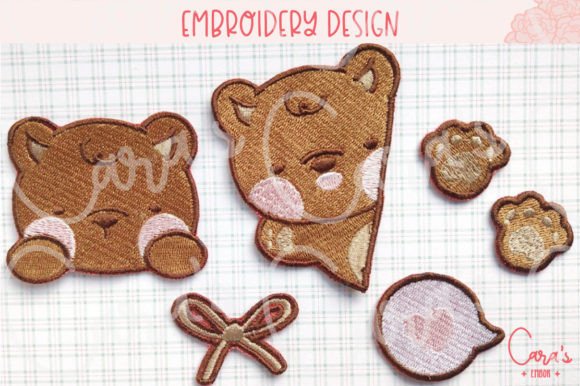
- Embroidered Patch: This is perhaps the most profitable application. You can batch-produce patches on felt or twill, then sell them individually or use them to embellish other items like hats and jackets.
- Pillow Covers: For nursery decor, this design adds a playful touch. It works best when centered on a solid-colored pillowcase to let the character pop.
For Etsy sellers and creative entrepreneurs, this versatility means you can create a cohesive collection. You can offer the same design on different products, maximizing your return on investment for the digital embroidery file.
Production Practicality and Batch Efficiency
From a production standpoint, time is money. Appliqué designs are generally faster to stitch than full-coverage satin or fill stitches because large areas are covered by fabric rather than thread. The Koala Appliqué appears to follow this logic, suggesting a efficient workflow for commercial embroidery.
However, you must consider the practical steps. You will need to cut fabric pieces for the appliqué. While this adds a manual step, it allows for creativity. You can use minky, fleece, or cotton scraps, turning waste into value. This design is repeatable, meaning once you perfect your process for one item, you can replicate it quickly for batch production. This consistency is vital for maintaining quality across all your finished products.
Careful-Use Notes and Technical Considerations
While the design is user-friendly, there are technical nuances to address before you start stitching for customers. Always check the stitch density in your software. If the satin borders around the appliqué pieces are too dense, they may cause perforation or stiffness, especially on delicate baby clothes. Conversely, if the density is too low, the edges may fray over time.
Fabric texture plays a significant role. On textured towels or thick denim, ensure your needle is sharp enough to penetrate without breaking. For curved surfaces like caps, test the placement carefully. A large appliqué might distort on a small cap panel, so scaling down or adjusting the position is necessary. Also, be mindful of thread colors. High contrast between the thread border and the appliqué fabric enhances definition, while low contrast creates a softer, more subtle look. Choose based on your target audience.
Dark fabric can be tricky with appliqué if the underlying fabric shows through light-colored appliqué pieces. Always use an opaque backing or choose darker appliqué fabrics when working on black or navy garments. Additionally, avoid shrinking the design too much. Tiny details in the face or ears may lose clarity if the hoop size is reduced beyond the designer’s recommended minimum.
Enhancing Visual Appeal and Brand Consistency
A strong booth display relies on visual harmony. The Koala Appliqué helps build brand consistency if you stick to a specific color palette. For example, using earthy tones like sage green, soft browns, and creams can create a rustic, natural vibe that complements the koala theme. This cohesive look makes your table appear curated and professional, increasing perceived value.
Customer attention is driven by emotion. This design evokes warmth and nostalgia. When shoppers see a well-executed koala on a high-quality tote or onesie, they imagine the joy it will bring to the recipient. This emotional connection drives buyer engagement and increases the likelihood of a sale. It transforms a simple embroidered item into a meaningful gift.
Designer Tips for Best Results
- Test on Scrap Fabric: Never run a new design on customer goods first. Stitch out several tests to check registration and tension.
- Check Thread Contrast: Experiment with different thread colors for the tack-down and satin stitches to see what makes the design pop.
- Review Spacing: Ensure there is enough space between the appliqué pieces and the edge of the hoop to avoid trimming issues.
- Confirm Hoop Size: Verify that the design fits your standard hoops. If it requires a large hoop, factor that into your pricing and production time.
- Inspect Stitch Density: Use your machine’s software to analyze the stitch count and density. Adjust if necessary to suit your specific fabric types.
- Use the Right Stabilizer: Cut-away stabilizer is often best for wearables to provide long-term support, while tear-away may suffice for home decor items.
- Create a Real Mockup: Before listing online, photograph the actual stitched product. A printable mockup is useful for planning, but real photos build trust with buyers.
- Compare Fabric Colors: See how the design looks on white, cream, gray, and pastel fabrics to determine your best-selling options.
- Confirm Commercial Licensing: Always read the terms of the digital embroidery file. Ensure you have the right to sell the finished product commercially.
In conclusion, the Koala Appliqué is a strong contender for any embroidery business focused on baby and children’s markets. It balances aesthetic appeal with production efficiency. By paying attention to technical details like stabilizer choice and thread contrast, you can turn this design into a staple of your craft fair lineup. It is not just a pattern; it is a tool for building a recognizable, beloved brand in the handmade community.